
Prebiotics

Prebiotics provide health benefits by specifically altering the microorganisms within or on your body, most commonly in the digestive tract.

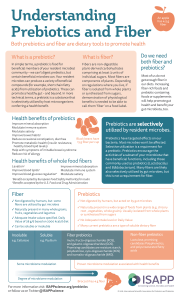
Looking for a way to put your body’s microorganisms to work in improving your health? Prebiotics are substances that act as food for the microorganisms in or on your body, benefitting your health. They’re scientifically defined as “substrates that are selectively utilized by host microorganisms conferring a health benefit.”

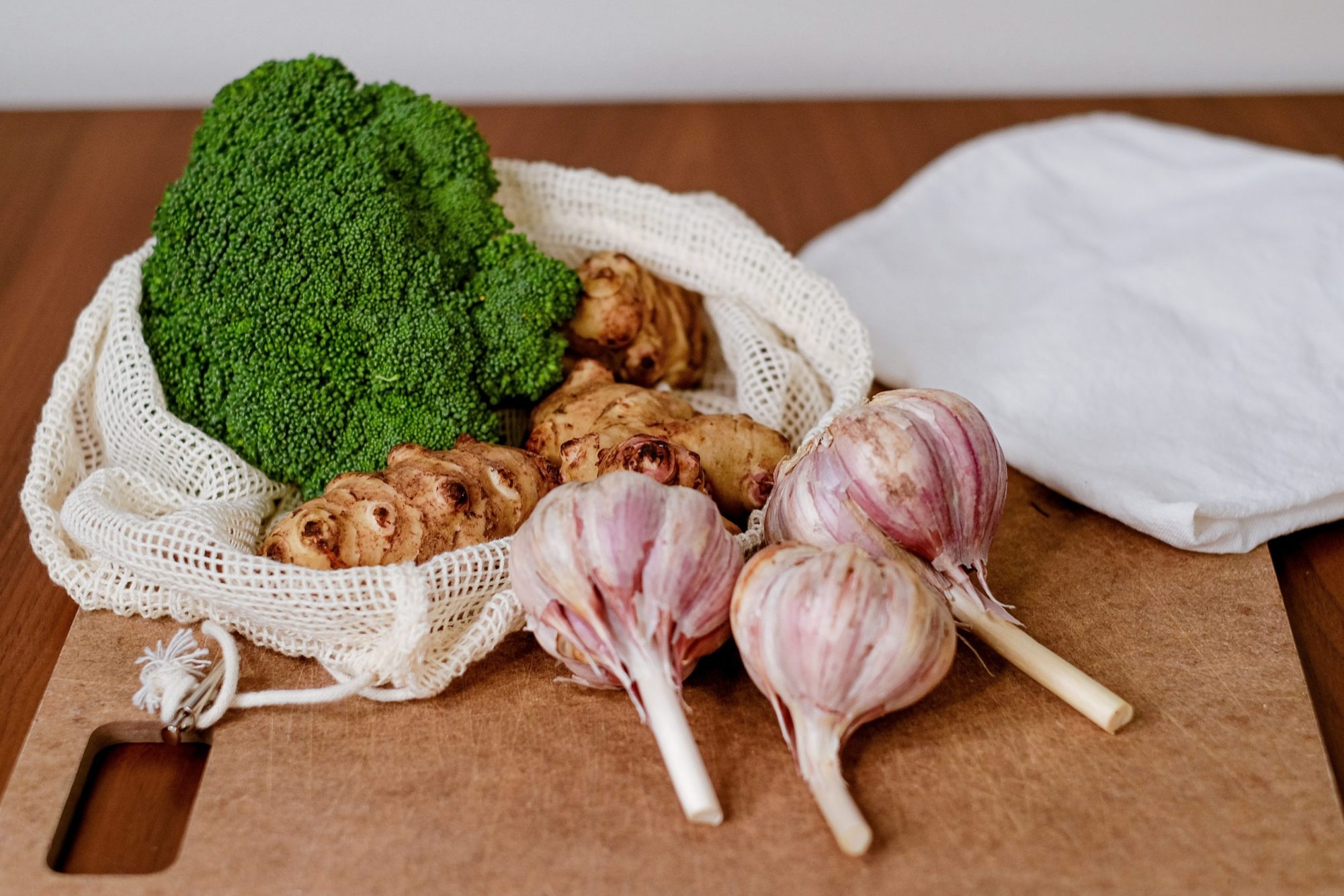
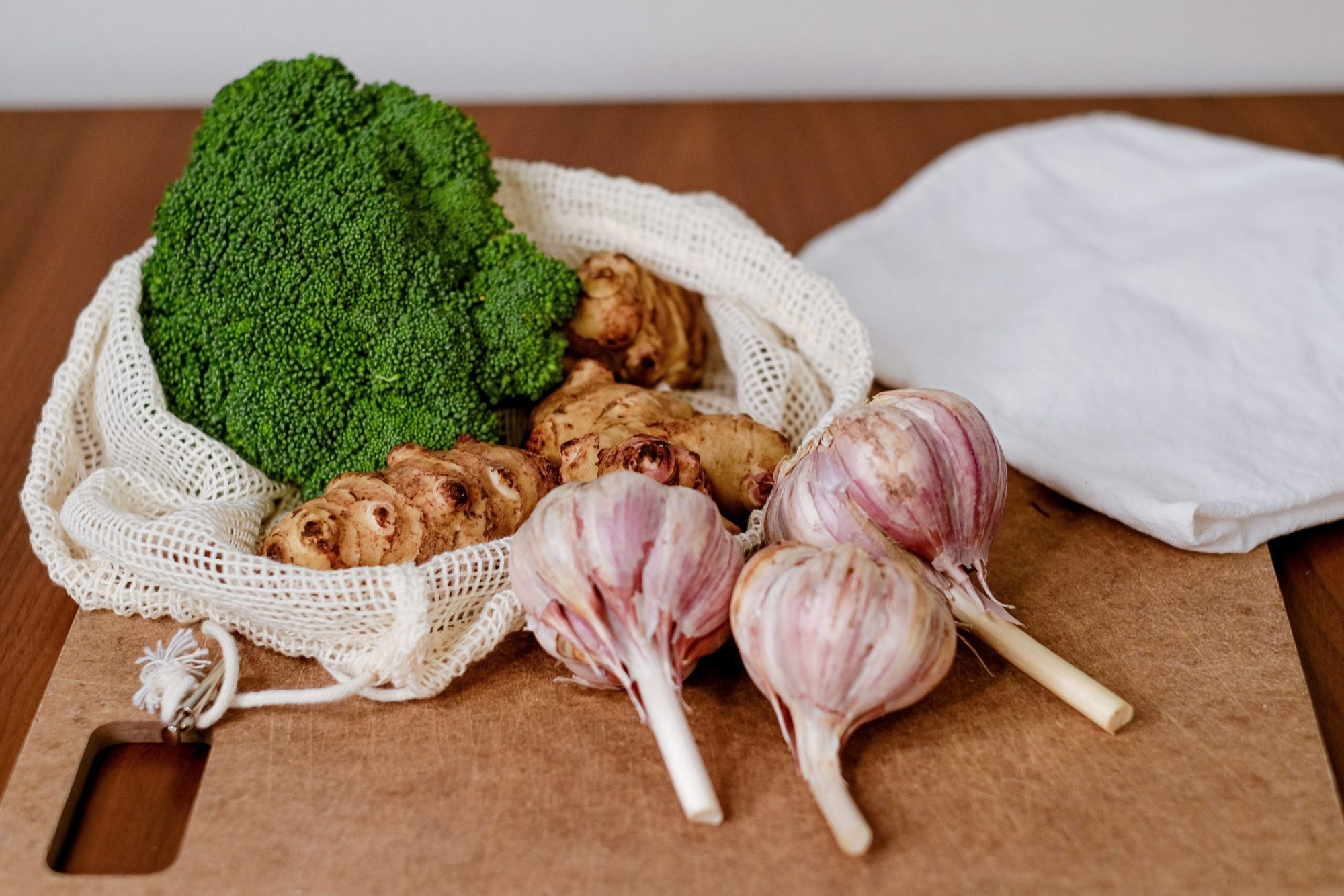
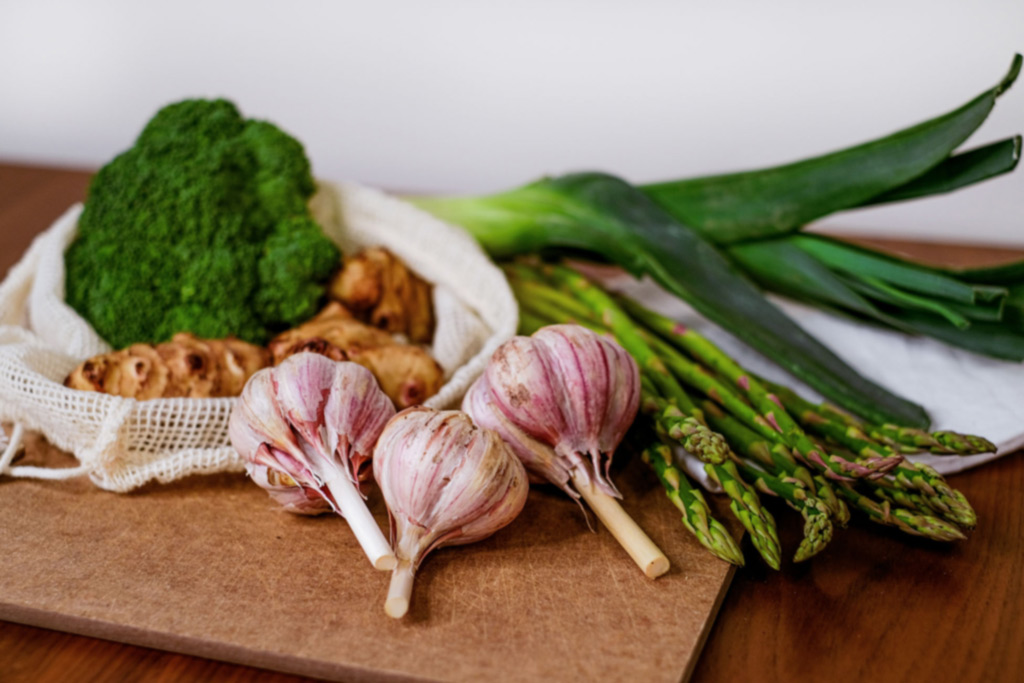
Some prebiotics are tested and shown to improve digestive function, support the body’s natural defences, improve mineral absorption or help regulate satiety and energy balance. While prebiotics can be found in foods such as onions, garlic, bananas, chicory root and Jerusalem artichokes, typically the prebiotics in these foods are found at low levels.

Prebiotics include many different types of substances, but the most studied prebiotics to date are specific types of fiber. But remember, not all dietary fibers are prebiotics. Different fibers may or may not meet the prebiotic criteria of being utilized by gut microbes to provide specific health benefits.

Featured

What’s New

More Resources on Prebiotics

1-10 of 73 results
  • Dentist sitting beside older woman in the patient chair of a dental office, adjusting a bib around her neck.

    Biotics, oral microbiota and potential for dental applications

  • Prebiotic Research & Development – Key Considerations for Prebiotic Validation and Health Claim Substantiation

  • Trials on probiotics and prebiotics in infant formula, with Prof. Yvan Vandenplas MD PhD

  • Five points to know about biotics for animals, from an ISAPP-led paper

  • 2024 in Review: Important Advances in Biotic and Microbiome Science

  • Planning a Biotics Study? New Publication Recommends Adding Diet as a Variable

  • Fiber and short-chain fatty acids for cognitive health, with Dr. Boushra Dalile PhD

  • ISAPP elaborates criteria for prebiotics

  • Prebiotics: Does Delivery Format Matter?

  • Can we estimate prebiotic effects from short-chain fatty acid production?